Why Smart Companies are Re-Adding Dental to Their Wellness Strategy
Dental benefits aren't just an "unpopular" line item; they are a powerful engagement tool. With oral health issues so common, prioritizing comprehensive care shows your team you truly value their total well-being.
HEALTH TIPSHR PRACTICESEMPLOYEE WELLNESS
Truevine Connection
5/8/20262 min read
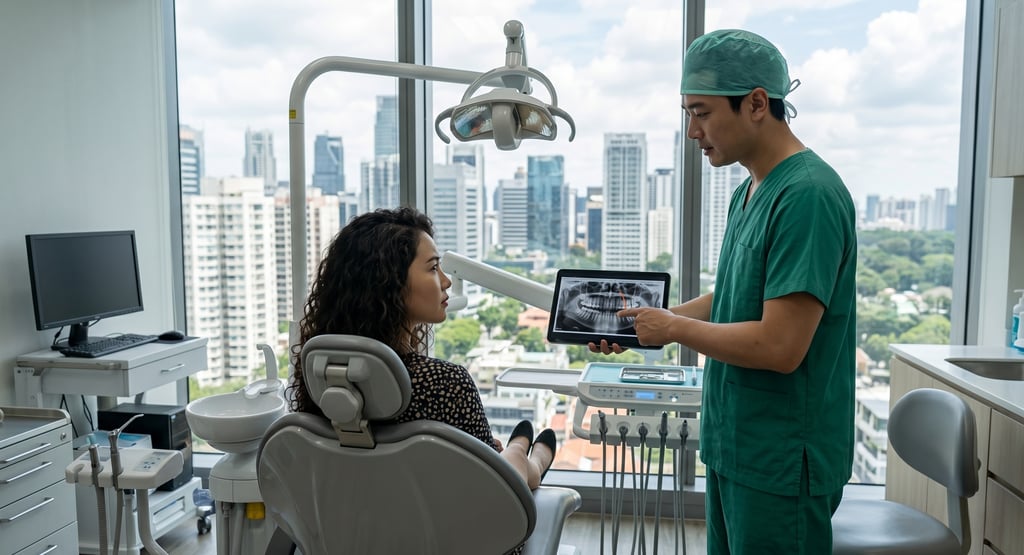

In the race to build the ultimate employee wellness package, companies often focus on the visible: gym memberships, mental health apps, and office pantry overhauls. Yet, there is one critical pillar of health that has been quietly sidelined over the years, often as a cost-cutting measure: Dental.
For a long time, oral health was treated as an aesthetic add-on. But the reality is that the mouth is the primary gateway to systemic health. Today’s forward-thinking organizations are re-integrating dental care into their wellness strategies, not just as a perk, but as essential "preventive maintenance" for their human capital.
The Local Reality: A Silent Health Burden
In Singapore, the urgency for this shift is backed by hard data. According to the National Adult Oral Health Survey, nearly 70% of Singaporean adults suffer from gum disease (periodontitis) in varying degrees of severity, and approximately 94% of adults have some form of gum inflammation.
It is crucial to understand that oral health is a progression. It usually starts with Gingivitis—the early, reversible stage where gums become red and bleed easily due to plaque buildup. If left unaddressed, it progresses to Periodontitis—an advanced, irreversible stage where the infection spreads below the gum line, destroying the soft tissue and jawbone that anchor your teeth.
When employees view dental care as "reactive"—something to be addressed only when pain becomes intolerable—they allow minor, reversible issues like gingivitis to snowball into complex, expensive surgeries like root canals or extractions. This leads to extended medical leave, severe pain, and a significant hit to your operational output.
The Hidden Impact on Performance
Beyond the severe cases, common issues like dental caries (cavities), tooth sensitivity, and halitosis affect a large portion of the workforce. These aren't just "inconveniences"; they are energy sinks. Chronic oral inflammation creates a state of systemic stress, forcing the body to fight persistent bacteria rather than focusing on high-level cognitive tasks.
When an employee is dealing with a toothache or the embarrassment of chronic oral health issues, their professional presence is compromised. In high-stakes, client-facing roles, confidence is currency. A healthy smile allows your team to lean into opportunities, speak with authority, and represent your brand with the energy required to win.
Why "Value-Optimization" Trumps Cost-Cutting
Smart companies are moving away from the "cost-cutting" mindset and toward "value-optimization." They realize that:
Preventive is cheaper than reactive: A regular cleaning is a fraction of the cost of restorative surgery. It’s an easy win for your insurance loss ratios.
It’s a talent magnet: In a competitive market, a truly comprehensive "total-health" benefits package—one that covers eyes and teeth—stands out as a signal of a company that actually cares about the long-term sustainability of its workforce.
It builds organizational trust: It shows your team that you are invested in their holistic health, fostering a culture where they feel supported from the inside out.
The Bottom Line
If your current benefits package treats dental health as an afterthought, you are leaving a high-impact lever for team performance on the table. Elevating your strategy to include oral health isn’t just "extra spending"; it is a calculated investment in the total health, confidence, and durability of your team.
A confident, healthy team is a high-performing team. It’s time to start from the basics.
Empowering organizations through comprehensive corporate wellness solutions and holistic employee well-being programs
© 2025. All rights reserved.