Designing Benefits That Matter: Moving From 'Performative' to Practical
Stop wasting margins on performative perks like gym vouchers. Create high-impact operational infrastructure, turning resilience into a measurable performance asset that drives team durability, alignment, and bottom-line output—not just employee comfort.
EMPLOYEE WELLNESSHR PRACTICES
Truevine Connection
2/27/20263 min read

The Illusion of the "Big Tech" Perk
In Singapore, we love to look at the giants—the massive global tech firms, the multi-billion dollar unicorns, and the household-name corporations. They offer top-tier gym memberships, premium insurance, and a laundry list of "lifestyle" perks. If you’re a local business owner or a partner, it’s tempting to copy-paste that model. It looks professional, it’s easy to explain to your HR team, and it fits neatly into a recruitment brochure.
But let’s be honest: If you’re copying a multi-national conglomerate’s benefit model, you’re likely making a massive strategic error.
The 20% Utilization Myth
The "gym membership" model is the ultimate example of a performative benefit. You pay for it because it feels like the "right" thing to do. But if you look at the raw data—and I mean the actual, no-BS utilization rates—you’ll find that it’s usually less than 20% of your staff who actually benefit.
And who are those 20%? They are the ones who are already fit, already motivated, and already managing their own health.
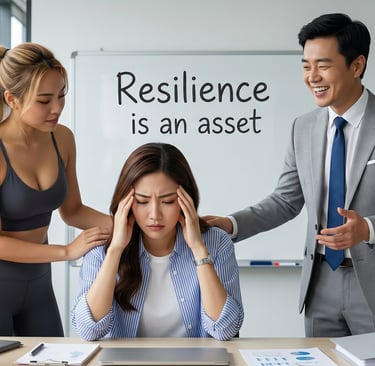
Meanwhile, the 80% who are truly at risk—the ones silently burning out, the ones struggling with the physical toll of 10-hour days, the ones whose productivity is suffering from "presenteeism"—don’t touch that gym membership. They’re too tired, their schedules are too rigid, or the benefit simply doesn't fit their life. You’re subsidizing the lifestyle of the already-active while the people who actually need support remain invisible.
From Passive Perks to Operational Infrastructure
We don't manage gym memberships. We manage Operational Infrastructure.
In our view, a benefit should not be a "voucher" that sits in a drawer. It should be a structural intervention that improves the way your team works. If your benefits package isn't giving you data or forcing a team reset, you aren't providing a "benefit"—you're just losing money.
Instead flip the script:
From Passive to Active: Instead of paying for a subsidy that your team ignores, we curate high-impact engagement events—like wellness bazaars or diagnostic health screenings—that bring the entire team together. It’s not an "add-on" for the fit; it’s an operational reset for everyone.
From "Perk-Shopping" to "Performance Maintenance": When you run a structured health-based intervention, you get data. You see where the team is physically struggling, where the mental load is highest, and where your workflow structure is causing the most friction. A gym voucher tells you nothing. An operational wellness event tells you exactly what needs to be fixed.
The "Human Architecture" Advantage: Your team doesn't need another app to ignore. They need a work environment that treats their resilience as a non-negotiable part of the bottom line. By investing in managed, high-impact interventions, you’re not just being "nice." You’re building a team that is physically present, mentally sharp, and structurally aligned.
Why This Matters
The "Perk Trap" is thinking that benefits are meant to make employees happy. Benefits shouldn't make employees happy; they should make them durable.
In 2026, loyalty isn't bought with a gym membership. It’s earned by a company that understands that physical and mental health are operational assets, not personal problems. When you move away from performative perks and toward structured maintenance, you stop paying for "perk-shoppers" who will leave for the next highest bidder. You start building a powerhouse.
The Bottom Line
Stop trying to mimic the "big-league" perk lists. You don't have their massive scale, and you shouldn't be wasting your margins on passive, low-utilization benefits. What you have is the ability to build a lean, high-performing, and resilient team that isn't dependent on passive benefits.
Is your benefits strategy actually moving the needle on team performance, or is it just a line-item on your payroll that nobody uses?
Empowering organizations through comprehensive corporate wellness solutions and holistic employee well-being programs
© 2025. All rights reserved.