Why Your Best Mid-Career Performer Suddenly Looks Completely Dead Inside
Singapore’s sandwiched generation is quietly drowning under double caregiving stress. Instead of useless mental health apps, support them with on-site caregiver resources and active corporate medical panel benefits
HR PRACTICESEMPLOYEE WELLNESS
Truevine Connection
6/12/20262 min read
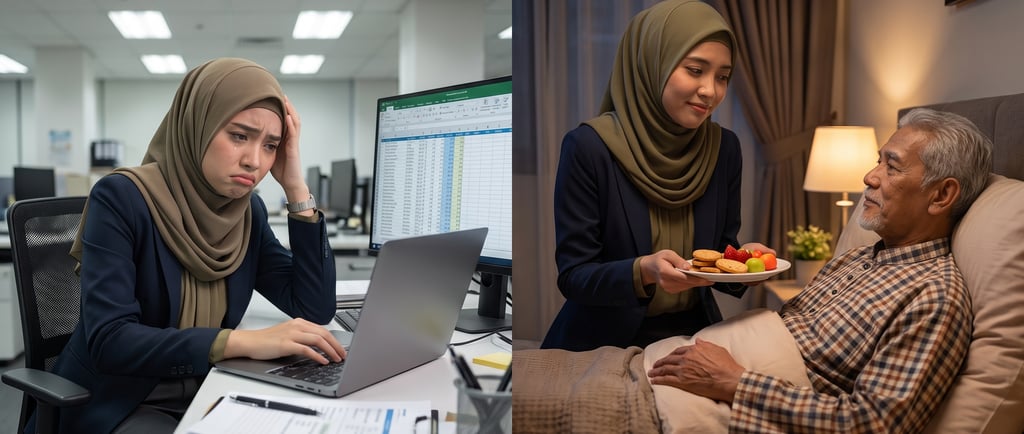
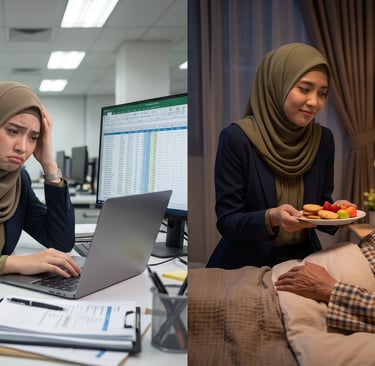
Look closely at your team’s top performer.
They are likely in their late 30s or early 40s. For years, they’ve been your reliable anchor—the one who quietly gets things done, hits every KPI, and never complains.
But lately, you’ve noticed a shift. They look pale. Their response time on Slack has lagged. In meetings, they stare at their laptop with a glazed-over look of sheer fatigue.
If your immediate corporate instinct is to label this as "loss of drive" or write them off as "quiet quitting," you are missing a massive structural crisis.
They aren't slacking off. They are quietly drowning under the weight of a double caregiving crisis at home. Welcome to the reality of Singapore’s "sandwiched generation."
The Double-Squeeze of 2026 (The Hard Receipts)
We talk a lot about workplace stress, but we rarely talk about the domestic anchors dragging our employees down.
In mid-2026, Singapore’s demographic reality is hitting a critical tipping point. According to data and research published by the Ministry of Social and Family Development (MSF) and extensive investigative reports by Channel NewsAsia (CNA):
Singapore’s "sandwiched generation"—typically defined as working adults aged 35 to 59 — are simultaneously supporting school-aged children and rapidly aging parents.
With Singapore’s life expectancy among the highest in the world, over 60% of mid-career professionals are actively managing at least one chronic illness or mobility issue for an elderly family member while raising kids in a hyper-inflationary economy.
Imagine the daily routine of this employee.
Their day starts at 5:30AM. They are rushing to prepare their child for primary school, preparing medication for an elderly parent suffering from early-stage dementia or physical frailty, fighting the rush-hour commute, and pretending everything is completely fine when they tap their card at the office gantry by 8:30AM.
They aren't just managing a workload. They are running a high-stakes, domestic crisis-management firm before they even touch their first work email.
Why Corporate "Mental Health Apps" are not helping
When employers notice this level of deep, systemic exhaustion, the standard response is incredibly lazy.
We buy subscription codes to mental wellness apps, email out a generic PDF guide on "work-life harmony," or host an online webinar at 4PM on a Friday telling them to "practice mindfulness and breathe."
Let’s be operationally honest: a mindfulness app cannot hire an emergency domestic helper. A generic wellness article cannot navigate a complex eldercare referral queue at the hospital, and it certainly won't pay for pediatric care or insulin supplies.
Telling a stressed-out caregiver to "breathe" is not a strategy; it’s not actually helping.
When you offer passive, digital-only perks to workers facing severe physical and emotional exhaustion, you aren't helping them. You are just ticking a compliance box while your high-value human assets slowly grind their gears down to a complete structural failure.
Empowering organizations through comprehensive corporate wellness solutions and holistic employee well-being programs
© 2025. All rights reserved.